November 6, 2026
Chalky and Faded Paint in Goodyear, AZ? What Oxidation Is and How to Fix It
Chalky and Faded Paint in Goodyear, AZ? What Oxidation Is and How to Fix It
Run your finger across the hood of an older car or the side of an RV that has spent a few summers outdoors in Goodyear. If your fingertip comes away with a faint, chalky film, you are looking at oxidation. It is one of the most common finish problems we see in the Phoenix area, and the good news is that it can often be fixed.
Below, we explain what oxidation is, why the desert speeds it up, and what can be done to bring back color and shine.
What Is Oxidation?
Oxidation happens when sunlight, heat, and air slowly break down the top layer of a vehicle's finish. UV rays weaken the chemical bonds in that layer, and over time it becomes porous, rough, and dull. Light no longer reflects off it cleanly, so the color looks faded and flat.
How it shows up depends on the surface. Older vehicles with single-stage paint tend to turn chalky and lose their color. Most modern cars have a clear coat over the color, and when that clear layer oxidizes, it looks cloudy or hazy. RVs and many trailers have fiberglass bodies finished in gel coat, which turns dull, chalky, and sometimes slightly yellow as it oxidizes.
Why Oxidation Is So Common in the Phoenix Area
Our climate is about as hard on a finish as it gets. The EPA's UV Index often reaches the very high to extreme range in the Valley for much of the year, and summer surface temperatures on a dark vehicle can climb far higher than the air temperature. Add in blowing dust and long stretches parked in open lots, and oxidation sets in much faster than it would in a cooler, cloudier city.
How to Tell if Your Vehicle or RV Is Oxidized
The finger test is the quickest check, but there are other signs too. Look for paint that seems lighter than it used to be, such as red fading toward pink or black turning gray. The surface may feel rough or dry instead of smooth, and water may sit in flat puddles rather than beading up. On an RV, watch for a powdery residue on your hands after touching the sidewalls and for black streaks that are hard to wash away.
How Oxidation Is Fixed
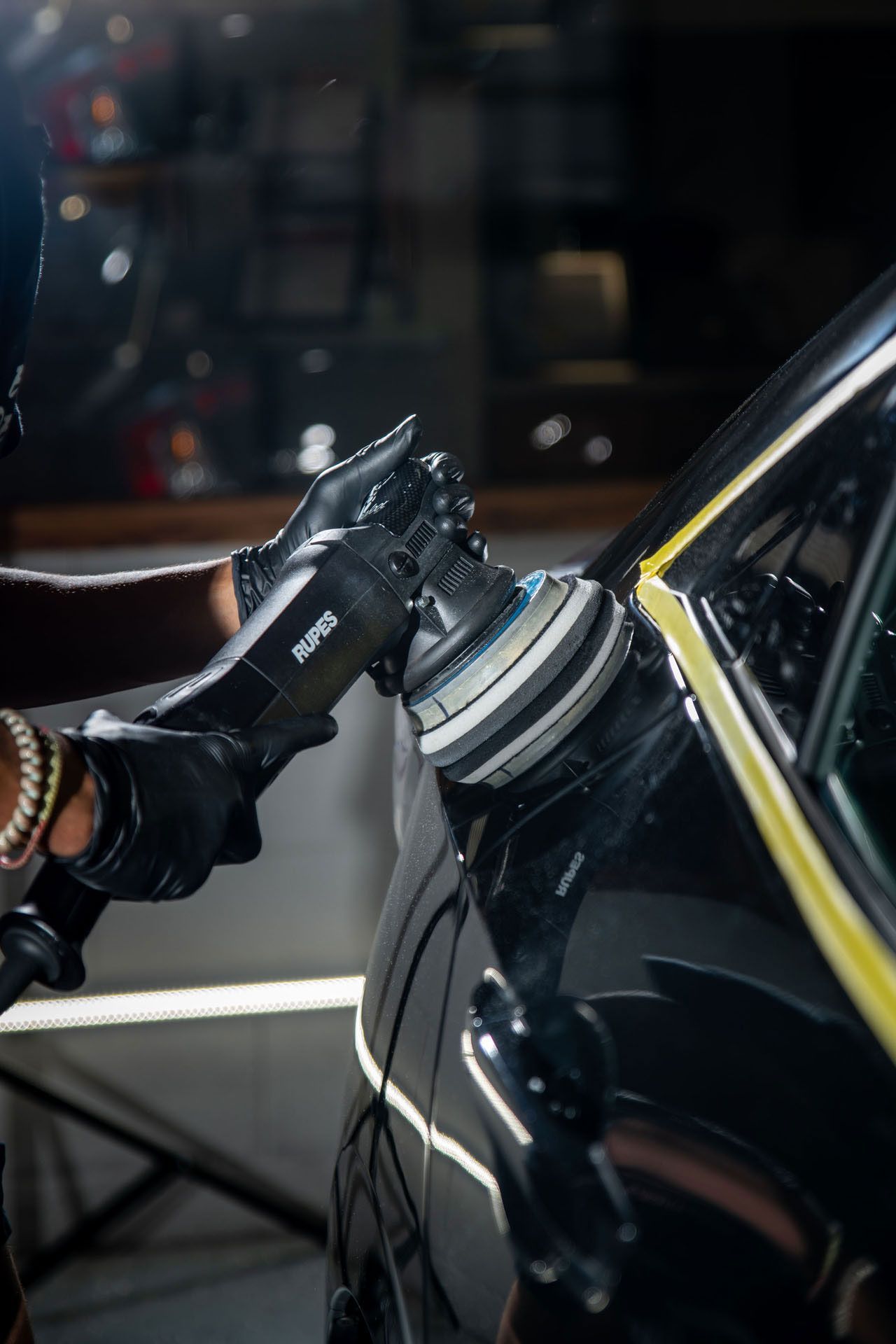
Oxidation is a surface problem, so the fix is to carefully remove the damaged top layer and reveal the healthy finish underneath. A trained detailer does this with machine polishing, using compounds and polishes matched to the severity of the oxidation. On a clear-coated vehicle, the work happens in the clear coat, not the color layer below it. Gelcoat is polished the same way.
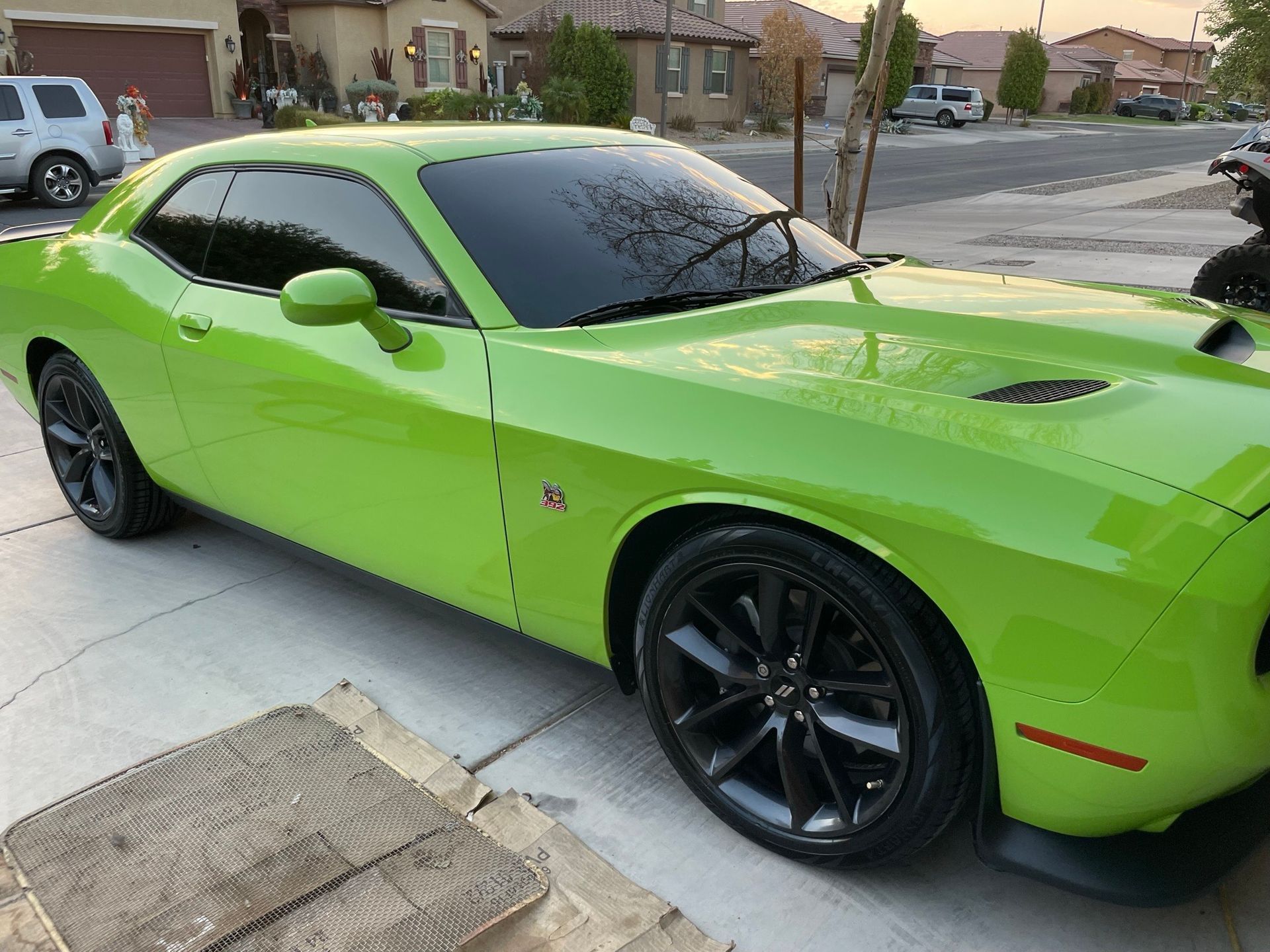
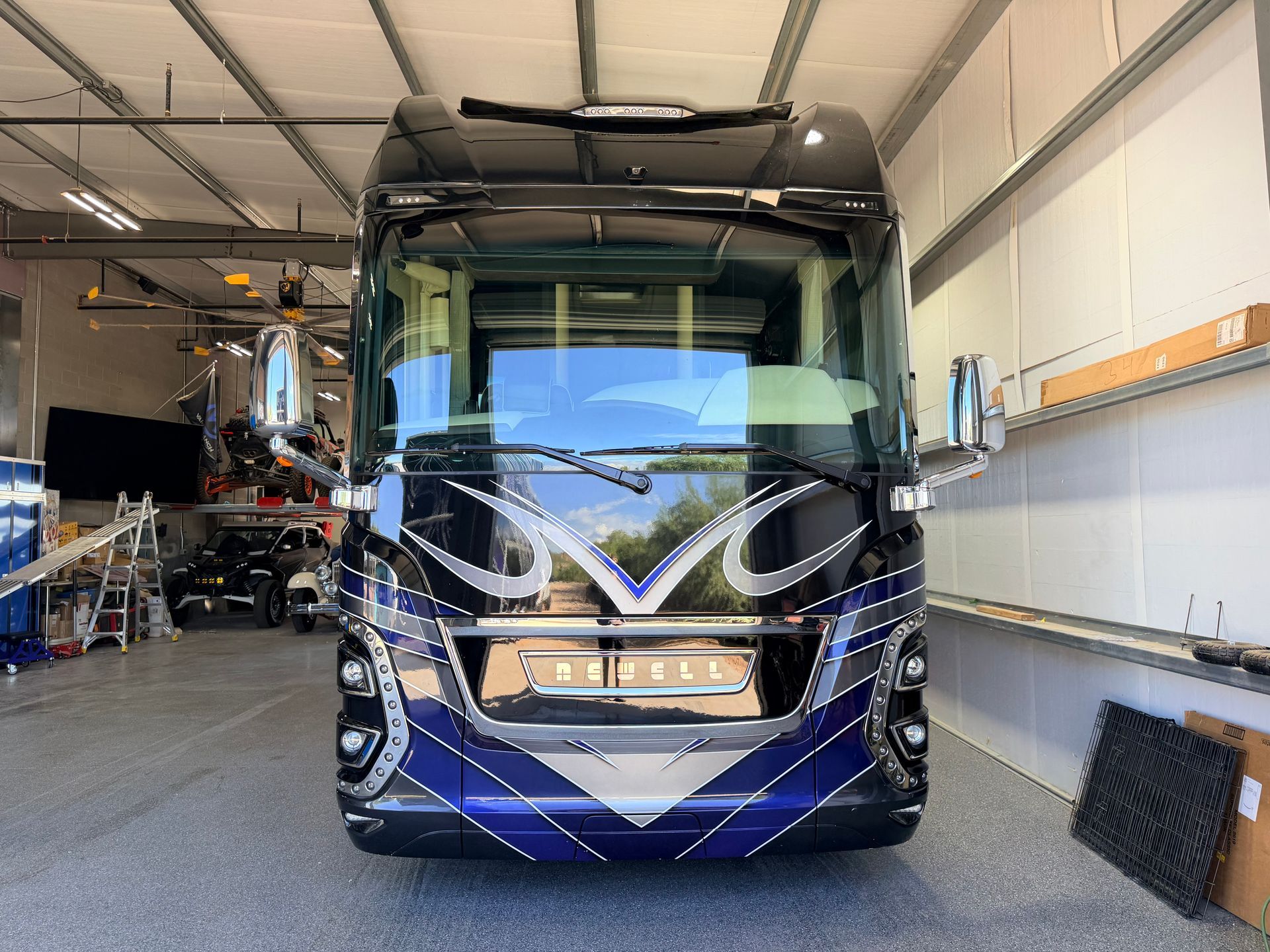
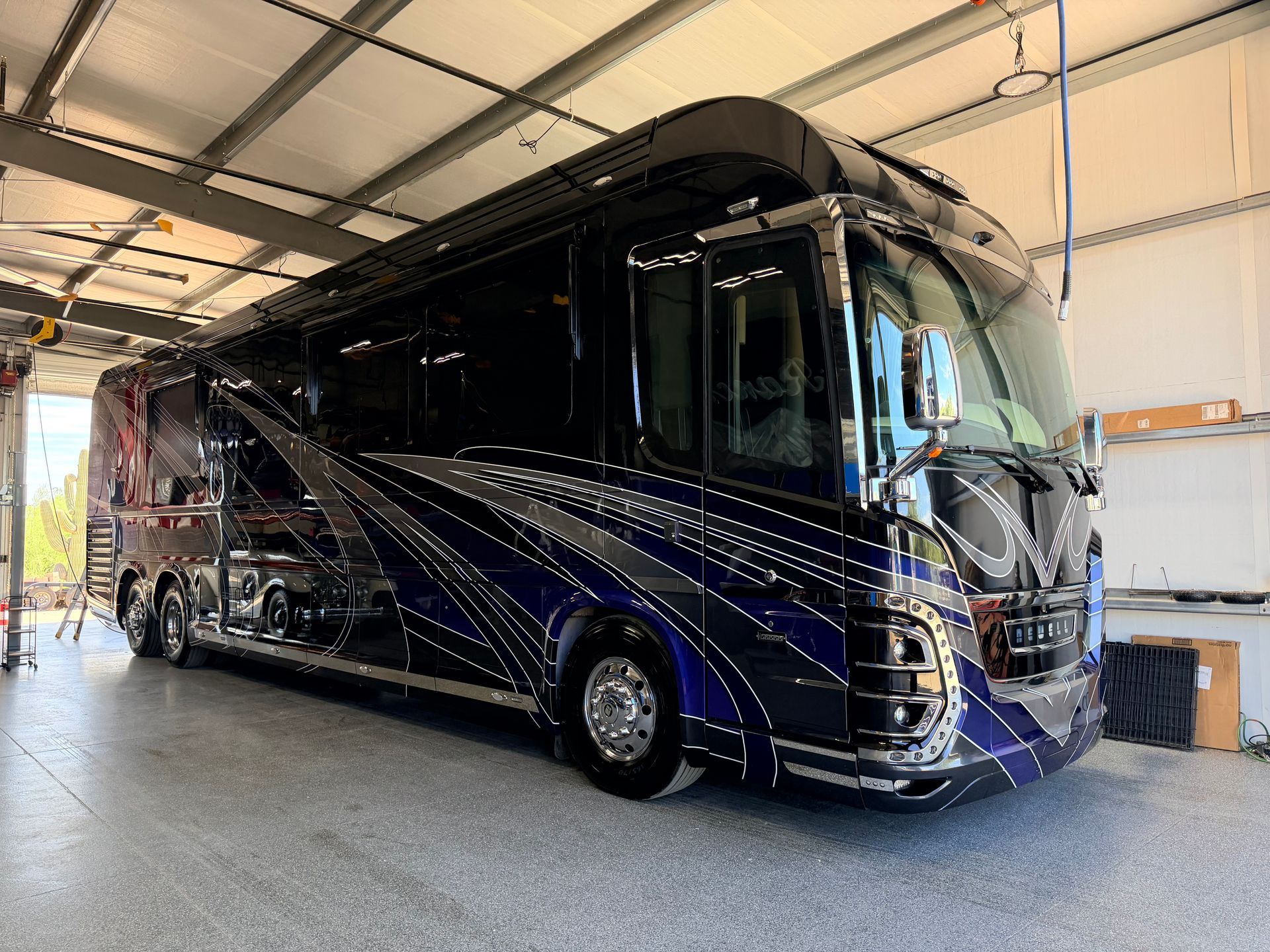
For cars, trucks, and SUVs, this process is part of our paint correction service, which also reduces swirl marks and light scratches. For motorhomes and trailers, our RV detailing packages include oxidation removal designed for large gel coat and painted surfaces. Light oxidation can often be handled in a single visit, while heavier cases take more time and more passes.
When Oxidation Has Gone Too Far
If the clear coat is peeling, flaking, or cracking, it has moved past oxidation into clear coat failure. Polishing cannot rebuild a layer that is coming off, and at that point the panel usually needs to be refinished by a body shop. Catching oxidation early is the best way to avoid that expense, which is why we recommend dealing with chalky or hazy paint as soon as you notice it.
Keeping Oxidation From Coming Back
Once your finish looks good again, a few habits help it stay that way. Park in a garage or under a cover whenever you can, wash regularly to remove dust and grime, and keep a fresh layer of wax or sealant on the surface. For longer-lasting results, many owners choose ceramic coating after correction. A coating adds UV resistance and a slick top layer that helps slow fading, and it keeps its gloss for years rather than weeks.
Get a Professional Opinion
Not sure how far your oxidation has gone? Our team can look at your car, truck, or RV and recommend the right level of correction. You can bring your vehicle to our Goodyear location, or our mobile team can come to your home or storage facility anywhere in the area.